Wardogs After Season 2 Rain Update
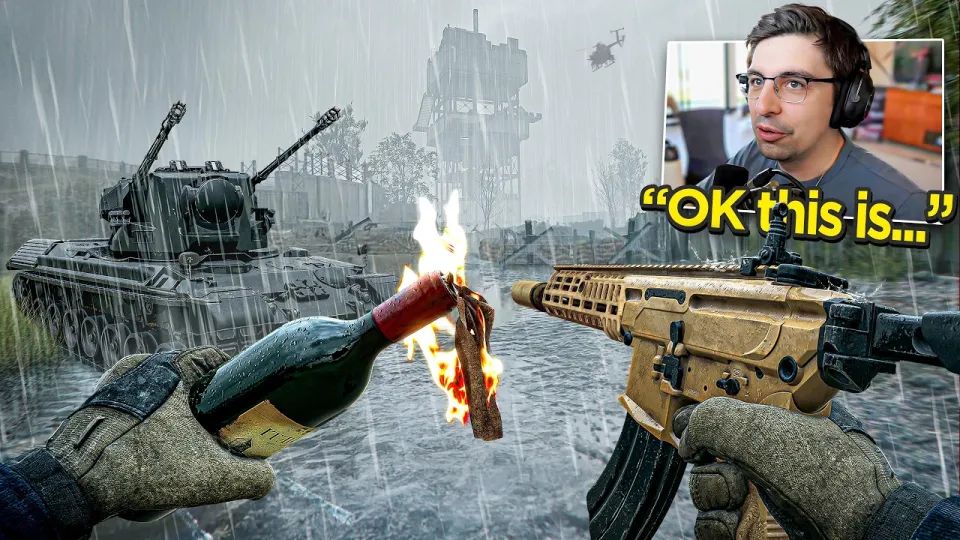
Video: Wardogs Is a Completely Different Game Now...
Want articles like this for your own video to promote it on YouTube and Google? Order them through the Telegram bot @sat_sit_bot. The bot writes and publishes the articles itself (with your YouTube video embedded) on popular topical websites (no ads). Free trial — 50 articles.
· based on the channel shroud
Key takeaways
- Season 2 of Wardogs introduced dynamic rain that reduces visibility and changes how every fight plays out.
- Rain makes sniping unreliable past roughly 190 meters, pushing players toward close-range and indoor combat.
- Armor penetration requires HP ammo aimed at the legs; torso and head shots on armored targets waste damage.
- Infrared goggles become significantly stronger in rain because thermal detection cuts through the storm.
- Squads of six in one voice chat face roughly 20 uncoordinated opponents, so callouts matter more than numbers.
Wardogs is an extraction shooter where squads fight over loot and exfil points on a large open map, and the Season 2 rain update has changed it into a noticeably different game: heavy weather cuts visibility, weakens sniping and forces fights into close range and interiors. The new conditions arrived alongside the season's content push, and you can follow the studio's own audio and show updates through this Spotify show link.
What the rain actually changes in Wardogs
The rain is not cosmetic; it is a visibility and audio modifier that reshapes engagement ranges. Before the update, long sightlines across open ground rewarded players holding angles with scoped rifles. In the storm, targets blur past roughly 190 meters even with good optics, so the map's open stretches stop being free kill zones and start being risky crossings.
- Sniping is gutted. Players report that spotting and ranging targets beyond about 190 meters becomes unreliable, which turns dedicated sniper builds into situational tools rather than default picks.
- Close quarters dominates. Buildings, towers and stairwells become the default battleground because interior fights ignore the weather penalty.
- Thermals get stronger. Infrared goggles read heat signatures through rain, so thermal users gain a real edge while everyone else squints.
- Audio is muddied. Rain masks footsteps and reload sounds, so squads that rely on hearing an approach lose information.
HP ammo and the leg-shot rule
The most repeated piece of advice in the current meta is simple: against armored targets, you need HP ammo and you need to shoot the legs. Armor covers the torso and helmet, so standard rounds into the chest chew through durability slowly while leg hits bypass protection and stack damage fast.
- Confirm your weapon is loaded with HP (high-penetration) rounds before the fight, not during it.
- Aim low. Legs and lower body are the reliable damage zone on a fully kitted opponent.
- Keep the burst tight; missing the legs and drifting into the torso effectively resets your damage advantage.
- Reload behind cover. Repacking magazines in the open, mid-fall or mid-push, is how players die to the same enemy twice.
The PP-19 stands out here: loaded with HP rounds it deletes armored players at close range, and players who did not realize it had HP ammo were still dropping targets with it. The flip side is that a gun feels "bad" when half the magazine goes into armor instead of legs.
Squad size versus squad coordination
Six players in one voice channel can beat roughly 20 opponents who are not working together. That asymmetry is the core lesson of the rain meta: the storm punishes solo roaming and rewards coordinated pushes, shared callouts and concentrated fire on one target at a time.
A group of 20 spread across the map, building separate bases and fighting their own fights, is 20 individual threats. A six-stack with one caller, shared ammo economy and a plan for the exfil is a single organism. In low visibility, that difference compounds, because the coordinated squad can mass fire on a target the solo player never sees coming.
Map pressure and base building in the storm
Weather pushes players toward fixed structures, and that changes how bases are built and defended. Towers and multi-floor buildings become contested landmarks; a squad holding the south tower of a location like Ozeti can expect constant raids rather than occasional contact. Pushing slightly out of cover to a bridge or open crossing often produces the realization that you have walked into a known kill zone with no long-range answer.
Practical adjustments for the rain season:
- Build or occupy interiors with limited entrances rather than open compounds.
- Treat every bridge, ridge and open field as a transit zone you cross fast, not a position you hold.
- Stock thermal or infrared optics if you can afford them; they convert the storm from a handicap into an advantage.
- Carry close-range weapons with HP ammo as your primary, and keep a scoped option only if your squad covers the open ground.
Typical player questions about the new weather
Most doubts from the community come down to whether the rain is a net positive. The common threads: sniping feels dead, thermals feel mandatory, and the game feels harder in a way that some players enjoy and others resent. There is also a recurring question about whether large groups are actually organized, since a 20-player presence looks terrifying until you notice they are not sharing information.
The honest answer is that the rain adds variance. It rewards adaptation over raw aim, gives weaker shooters a way to close distance, and makes every open rotation a decision instead of a formality. Players who rebuild their loadouts around close-range HP ammo and thermal detection are thriving; players who refuse to change their sniper setup are fighting the season instead of using it.
Gear and channels worth following
Shroud's setup and the products he uses are linked directly from his content: Logitech G gear with the creator promo code at logitechg.com, the Maingear PC build at maingear.com/shroud-ref, and his live channels on Twitch and Twitter. For audio content and show updates, the Spotify show page is the main hub.
The bottom line on Wardogs Season 2
Season 2's rain does what a good seasonal update should: it invalidates old habits and forces new ones. Sniping past roughly 190 meters is unreliable, HP ammo aimed at the legs is the answer to armor, infrared goggles are the strongest optic in bad weather, and a coordinated six-stack still beats a disorganized crowd. The players adapting fastest are the ones treating the storm as cover rather than as an obstacle. This breakdown comes from the shroud channel, where the full rainy-season session shows the new conditions in action; for more audio and show content from the creator, check the Spotify show.
Source: Wardogs Is a Completely Different Game Now... · Markdown version
Questions & answers
Does the rain in Wardogs Season 2 make sniping useless?
Not useless, but heavily restricted. Targets blur past roughly 190 meters even with good optics, so scoped rifles stop being a default pick. Sniping still works at medium range and from elevated positions where you can close the distance, but holding long open sightlines is no longer reliable.
Why do players say you have to shoot the legs in Wardogs?
Armor covers the torso and helmet, so standard rounds into the chest waste damage on durability. HP (high-penetration) ammo aimed at the legs bypasses that protection and stacks damage quickly. Firing HP rounds into the torso or head of a fully armored opponent is why some weapons feel weak.
Are infrared goggles better in the rain?
Yes. Thermal and infrared optics read heat signatures through the storm, while normal vision is reduced to a few hundred meters at best. In low visibility, a player with thermals sees threats that everyone else misses, which makes them one of the strongest purchases of the season.
Can a small squad beat a much larger group in Wardogs?
Yes, if the small squad is coordinated. Six players in one voice channel sharing callouts and focusing fire can beat roughly 20 opponents who are spread out and fighting individually. Numbers matter less than information and concentrated damage, especially when the rain hides movement.